
Hair Growth Vitamins and Women’s Hair Loss: A Complete Guide
Hair loss is a devastating, gut-wrenching experience women go through at every phase of life. And the worst part is, it’s often not visible until they’ve already lost almost half their hair. At that stage, they just wish they’d known sooner or understood what was causing it. Understanding the different types of hair loss is the first step toward treating it, but most of us keep hoping it’s temporary and will resolve on its own.
The reality is that hair loss has many causes, and most of them don’t resolve on their own; they need specific intervention to treat. Women most often experience hormonal, stress-induced, lifestyle-related, or genetic hair loss. All of these are treatable, but they require some basic understanding before diving into a cure.
Why Women’s Hair Loss Looks Different
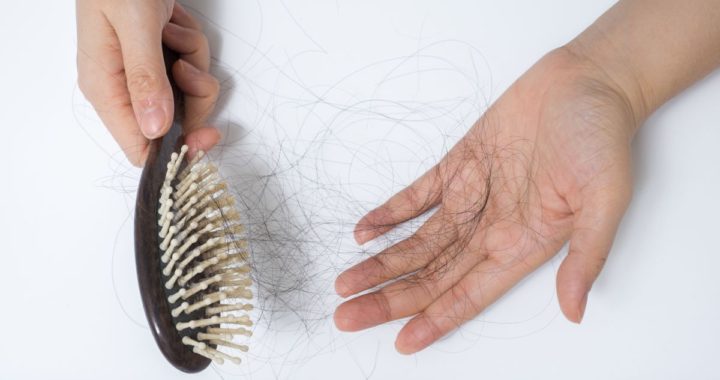
In men, the first sign of hair loss is usually the classic receding hairline, the “M” pattern associated with genetic hair loss. For women, it’s completely different. They tend to show diffuse thinning spread across the scalp, so at first it looks completely normal: maybe it’s just a bad hair day, or extra hair in the comb from brushing too hard. The most noticeable sign, a widening part, only becomes visible once a considerable amount of hair has already been lost. By this stage, the follicles have already miniaturized, making it harder to regrow what’s been lost.
This is exactly why female pattern hair loss is harder to recognize and easy to miss in its early stages, especially under good lighting or with certain hairstyles. Catching it early starts with knowing the type of hair loss you’re dealing with and its signs.
The Main Types of Hair Loss in Women
Hair loss in women can be broadly divided into four categories:
- Female Pattern Hair Loss: The most common long-term type, generally linked to genetics and gradual follicle shrinkage. It progresses slowly and is often mistaken for a normal sign of aging.
- Telogen Effluvium: A temporary but dramatic shedding phase, usually triggered by a specific event: significant stress, illness, rapid weight loss, or childbirth. During telogen effluvium, you experience a major shedding episode, losing large amounts of hair over a few months before it gradually slows back down.
- Hormonal Hair Loss: Closely linked to the changing hormone cycles of a woman’s life, such as childbirth, menopause, and fluctuating estrogen levels. These hormonal shifts affect the hair growth cycle, which is why so many women notice changes during these specific life stages.
- Nutritional Deficiency-Related Thinning: One of the most common types of hair loss, tied to nutrient deficiency or lifestyle factors. It affects most of us, often as early as our 20s, because our bodies are frequently running on a nutrient deficit. Everyday eating habits often don’t provide the resources the body needs to function optimally, so hair health gets deprioritized and compromised as a result. Restrictive dieting, common among women trying to stay fit, often widens these nutrient gaps, and hair is usually one of the first places it shows.
How to Identify What Type of Hair Loss You’re Dealing With
Identifying the type of hair loss you’re dealing with isn’t complicated. The signs on your hair and scalp usually point the way:
- A widening part with gradual thinning over years usually points toward pattern hair loss.
- A sudden increase in shedding a few months after a stressful event or major life change is more consistent with telogen effluvium.
- Thinning that closely tracks with pregnancy, postpartum months, or the shift into perimenopause is typically hormonal.
- Thinning paired with fatigue, brittle nails, or pale skin often points toward a nutritional gap worth addressing.
None of this replaces a proper evaluation, but recognizing the pattern helps women approach the issue with more clarity rather than defaulting to fear. If you notice inflammation, redness, itching, scaling, or any unusual signs on your scalp alongside hair loss, it’s best to see a doctor rather than self-diagnose or attempt to treat it without professional help.
Read More: Natural Shampoo for Hair Loss Women & Ayurvedic Oil Benefits
Where Hair Growth Vitamins Fit In for Women’s Hair Loss
Vitamins won’t reverse genetic pattern hair loss on their own, but they play a meaningful role across almost every other type.
- Biotin supports keratin production, the protein hair is made of, and is one of the most commonly recommended nutrients for hair health.
- Iron is essential for carrying oxygen to hair follicles. Low iron — common in women due to menstruation — is one of the most frequently overlooked causes of diffuse thinning.
- Vitamin D plays a role in stimulating hair follicles into the growth phase, and deficiency has been associated with increased shedding.
- Zinc supports tissue repair and growth, both relevant to healthy follicle function.
- B-complex vitamins, particularly B12, support the energy metabolism cells need to sustain the hair growth cycle.
Building a Realistic Routine to Stop Hair Loss
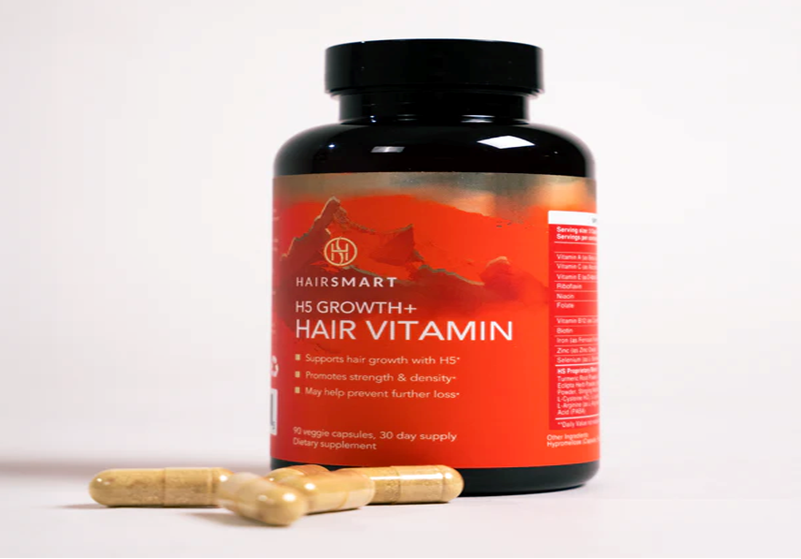
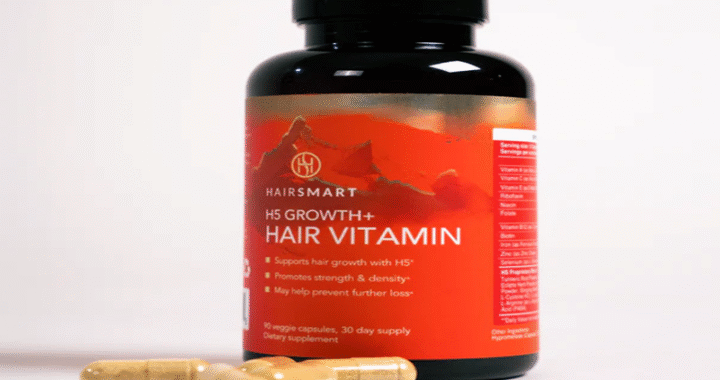
For women navigating thinning hair, the most effective approach usually combines a few things at once: identifying the likely type of hair loss, closing any nutritional gaps with targeted vitamins, and supporting the scalp with gentle, consistent care. HairSmart’s guide to women’s hair loss is built around this same layered thinking, recognizing that hair loss in women is rarely caused by just one thing, and rarely solved by just one thing either.
A Gentler Way Forward with HairSmart
Hair loss can feel isolating, especially when it doesn’t match the images most people associate with thinning hair. But understanding the type you’re dealing with, and supporting your body with the right vitamins and a calm, consistent routine, turns a confusing problem into a manageable one. Progress here is measured in months, not days, and that’s normal. The goal isn’t a dramatic before-and-after. It’s steady, sustainable support for hair that’s simply asking for a little more care than it’s been getting.
Read More: Essential Questions To Ask Before Trusting Any Supplement Brand’s Claims
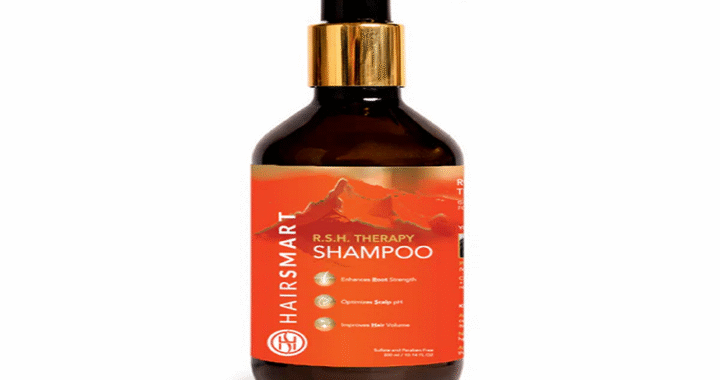 Natural Shampoo for Hair Loss Women & Ayurvedic Oil Benefits
  6 Tips to Get and Maintain Gorgeously Groomed Eyebrows
  Laser Hair Removal: Your one-time solution for removing unwanted body hair
  Essential specifications of Physiotherapy healthcare in Melbourne
  Can stress cause thinning hair?
  Hair Growth Vitamins and Women’s Hair Loss: A Complete Guide
  Essential Questions To Ask Before Trusting Any Supplement Brand’s Claims
  Understanding Pupillary Size Measurement& Percent Change