
Why More Canadians Are Adding Peptides to Their Health Routines

Not long ago, peptide conversations in Canada were mostly happening in competitive fitness communities and academic research circles. Neither group was especially large. Now the topic is showing up in lifestyle podcasts, women’s health forums, and offices where nobody has touched a barbell in years. That’s a real shift. It didn’t happen because the science suddenly got more exciting. It happened because the accessibility improved and the use cases got broader.
1. Recovery That Keeps Up With the Demand
Recovery stops being invisible at some point. Soreness that used to clear overnight is still there two days later. A joint that was fine last month is now asking for a week off. BPC-157 found its way into Canadian fitness communities around exactly that problem. The human clinical data is still catching up to the use. But the mechanism is clear enough, and the reports across different sports contexts have been consistent enough, that most people following this closely stopped treating it as speculative a while back.
Read More: Understanding the Role of Peptides in Scientific Research
2. Hormone Support Before Things Get Obvious
GH starts dropping in your mid-20s. Gradually enough that by the time you notice something feels different, you’re usually already several years into it. The connection between the decline and the symptom is the part most people miss. Secretagogues like ipamorelin and CJC-1295 get interesting here because you’re supporting a system while it still has real capacity, rather than trying to restore something that’s already substantially diminished.
Whether that timing advantage holds up individually is a real variable. But it’s why the conversation has moved well outside the typical supplement crowd.
3. Skin Health Is Pulling in a Different Demographic Entirely
Collagen peptides have been mainstream long enough that most people have stopped thinking of them as peptides at all. They’re just part of a skin or joint routine. Copper peptides and growth factor compounds have opened a different corner of the category for people focused on skin aging, and this group has essentially no overlap with the fitness community. The reasons someone in their mid-40s is researching GHK-Cu have nothing to do with a training plateau. Both groups are paying attention to biology. Just different parts of it.
4. Domestic Access Has Changed the Conversation
The Peptides Canada market looks very different than it did a few years ago. Buyers who wanted properly tested compounds used to navigate overseas sourcing, import uncertainty, and quality controls that ranged from excellent to completely unknowable. Domestic suppliers with rigorous testing practices now exist and aren’t hard to find. That change in access is reaching people who never would have tolerated the complexity of international sourcing, and giving them a straightforward option that doesn’t require it.
Read More: Understanding Pupillary Size Measurement& Percent Change
Conclusion
The growth in Canadian peptide interest doesn’t trace to a single trend. People with different goals, fitness recovery, hormone support, skin health, proactive aging, are finding the category relevant to them. Better domestic access is happening at the same time. That combination explains most of the shift.
 Understanding the Role of Peptides in Scientific Research
 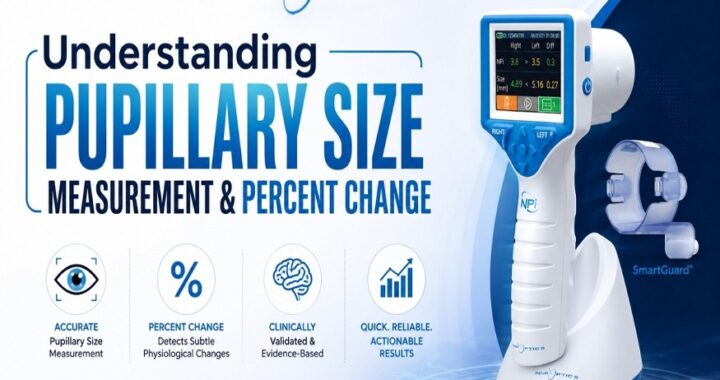 Understanding Pupillary Size Measurement& Percent Change
  How Dietitians Play an Important Role in Helping People Stay Healthy?
  Finding the Right Health Care Provider: A Practical Guide to Choosing Quality Care
  The Hidden Impact of Micro-Decisions: How Small Choices Shape Big Outcomes with insights from Joe Kiani, Masimo founder
  NATURAL AND MINDFUL WAYS TO MANAGE NICOTINE CRAVINGS
  Why More Canadians Are Adding Peptides to Their Health Routines
  Hair Growth Vitamins and Women’s Hair Loss: A Complete Guide
  Natural Shampoo for Hair Loss Women & Ayurvedic Oil Benefits