
Finding the Right Health Care Provider: A Practical Guide to Choosing Quality Care

Access to reliable medical care is one of the most important factors in maintaining overall health and well-being. Whether someone is managing a chronic condition, seeking preventive services, or addressing sudden illness, having the right health care provider can make a significant difference. However, with so many medical professionals and healthcare facilities available, knowing how to find a provider that meets your needs can feel overwhelming.
Understanding what to look for in a healthcare professional and how to evaluate your options can help ensure you receive high-quality care tailored to your individual health needs. Making an informed decision when selecting a provider can also build a long-term relationship that supports better health outcomes.
Understanding the Role of a Health Care Provider
A health care provider is a trained professional responsible for diagnosing, treating, and helping prevent health conditions. These professionals may include physicians, nurse practitioners, physician assistants, specialists, and other licensed medical practitioners who deliver medical services.
Read More: How Dietitians Play an Important Role in Helping People Stay Healthy?
Healthcare providers serve as trusted advisors when it comes to managing health concerns. They conduct examinations, recommend treatments, interpret test results, and guide patients through medical decisions.
For many individuals, a primary care provider acts as the first point of contact for health-related questions. This provider monitors overall health, manages routine medical needs, and refers patients to specialists when necessary.
Having a dependable healthcare professional can improve preventive care, enhance treatment coordination, and provide peace of mind when health concerns arise.
Why Choosing the Right Provider Matters
Selecting the right health care provider is an important decision that can influence both short-term treatment outcomes and long-term wellness. A provider who understands a patient’s medical history and personal preferences can deliver more personalized care.
When patients establish a relationship with a trusted provider, communication often becomes easier and more effective. This allows individuals to discuss symptoms openly, ask questions about treatments, and feel confident in their healthcare decisions.
Learning how to find a provider who aligns with your health goals, communication style, and medical needs can lead to better overall healthcare experiences.
Types of Health Care Providers
Before beginning the search process, it is helpful to understand the different types of providers available.
Primary Care Providers
Primary care professionals focus on general health and preventive care. They often serve as the first contact for routine checkups, vaccinations, and common illnesses.
Specialists
Specialists focus on specific medical fields such as cardiology, dermatology, orthopedics, or endocrinology. Patients are often referred to specialists by a primary care provider for advanced treatment.
Nurse Practitioners and Physician Assistants
These professionals are trained to diagnose and treat many medical conditions and often work closely with physicians. They play an important role in expanding access to care.
Understanding the type of health care provider you need can help narrow your search and make it easier to find a provider suited to your medical concerns.
Factors to Consider When Choosing a Provider
When searching for the right medical professional, several factors should be considered to ensure the best match.
Qualifications and Credentials
One of the first things to review is a provider’s qualifications. Medical education, board certifications, and professional experience all contribute to a provider’s expertise.
Verifying these credentials helps ensure that the health care provider has the appropriate training to deliver quality care.
Location and Accessibility
Convenience is an important factor when choosing a healthcare professional. Selecting a provider located near your home or workplace can make it easier to attend appointments and receive timely care.
When trying to find a provider, considering office hours, appointment availability, and transportation access can also improve the overall experience.
Communication Style
A strong patient-provider relationship relies on open communication. It is important to choose a healthcare professional who listens carefully, answers questions clearly, and respects patient concerns.
Feeling comfortable discussing symptoms and health goals with your health care provider can lead to better health outcomes.
How Technology Helps You Find a Provider
Advancements in digital tools have made it easier than ever to find a provider that fits your needs. Many healthcare systems offer online directories where patients can search for providers based on specialty, location, and availability.
Patient reviews and ratings can also provide insight into a provider’s communication style and patient satisfaction levels. While reviews should be evaluated thoughtfully, they can offer helpful perspectives when selecting a health care provider.
Telehealth services have also expanded access to medical care. Virtual appointments allow patients to consult with providers remotely, which can be particularly helpful for routine consultations or follow-up visits.
Preparing for Your First Appointment
Once you find a provider, preparing for your first appointment can help make the visit more productive. Bringing relevant medical records, a list of current medications, and notes about symptoms can help the provider understand your health history.
Patients may also want to prepare questions about treatment options, preventive screenings, or lifestyle changes that could improve overall health.
Establishing clear communication early in the relationship helps create a strong foundation for future care.
Building a Long-Term Health Partnership
Choosing the right health care provider is not just about a single appointment. It is about developing a long-term partnership focused on maintaining and improving health over time.
Regular checkups allow providers to monitor changes in health, detect potential concerns early, and recommend preventive strategies.
By maintaining consistent communication with your provider, you can address health concerns proactively and make informed decisions about treatments and lifestyle choices.
The process of learning how to find a provider that fits your needs ultimately supports a more personalized and effective healthcare experience.
Navigating the healthcare system can feel challenging, but selecting the right medical professional is one of the most important steps toward maintaining good health. A trusted health care provider can guide patients through preventive care, diagnose medical conditions, and coordinate treatment plans that support long-term wellness.
By understanding your healthcare needs, evaluating provider qualifications, and using available resources to find a provider, you can make confident decisions about your healthcare journey.
Establishing a relationship with the right provider not only improves access to medical care but also helps build a foundation for healthier living and better overall well-being.
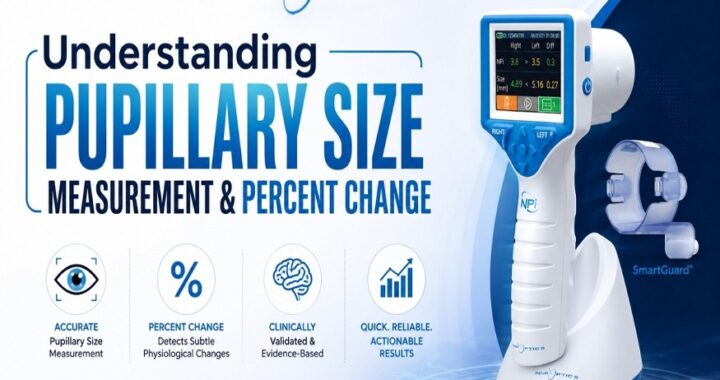 Understanding Pupillary Size Measurement& Percent Change
  How Dietitians Play an Important Role in Helping People Stay Healthy?
  The Hidden Impact of Micro-Decisions: How Small Choices Shape Big Outcomes with insights from Joe Kiani, Masimo founder
  NATURAL AND MINDFUL WAYS TO MANAGE NICOTINE CRAVINGS
  How Mind-Body Health Fits into Chronic Care
  Gains of Using an App for Prediabetes
  Natural Shampoo for Hair Loss Women & Ayurvedic Oil Benefits
  Essential Questions To Ask Before Trusting Any Supplement Brand’s Claims
  Why Natural-Looking Enhancements Are Changing the Conversation Around Beauty